LPG Muscle Hog Legs Cable Attachments Review
Table of Contents
- The Philosophy
- Build Quality Across the Lineup
- Per-Product Deep Dives
- Jawbone Pair ($150)
- Boar Tusk ($130)
- Piglet ($80) + Viper Rope (under $100)
- Pull Force Gen2 Single Handle ($49.95 standard 1-1/4-inch / $54.95 fat 1-3/4-inch)
- Tri-bells 6-Inch Palms Grip ($70)
- Comparisons Within the Lineup
- Rankings: Where to Start
- Who It’s For
- Final Verdict
- Comments
Hog Legs
Jawbone Pair
Jawbone Single
Piglet
Viper Rope
Boar Tusk
Pull Force Standard 1-1/4"
Pull Force Fat 1-3/4"
Tri-bells
// Disclosure: links use go.ironclinicgym.com — my custom affiliate tracking. I may earn a commission at no cost to you. This never influences my ratings.
LPG Muscle's Hog Legs lineup applies one design philosophy across five cable attachments: a 1.75-inch fat grip demands more squeeze, which produces better contractions downstream. After six months of daily use with all five pieces, the Tri-bells and Viper Rope are flat upgrades over anything comparable in their categories, and the Jawbone pair replaces standard D-handles on virtually every cable movement without reservation.
Pros
- All-metal commercial grade construction with integrated 360-degree stainless steel swivels. Zero chips, peeling, or fading after six months of daily use.
- The 1.75-inch fat grip diameter produces forearm activation and contraction quality on every cable movement automatically, without a separate accessory.
- The Tri-bells deliver a palms-press tricep contraction that no other cable attachment on the market replicates.
- The Viper Rope at 36 inches allows a full tricep sweep to maximum contraction at the bottom of a pushdown, a capability a standard-length rope physically prevents.
- The Boar Tusk's dual swivel system (connection point and bar rotating independently) is one of the most ergonomic curling implements available for cable work.
Cons
- Fat grip diameter becomes the limiting factor in long pulling sessions, and straps or grips are necessary when target muscle, not grip endurance, is the training stimulus.
- The Tri-bells are strictly a tricep attachment (pushdowns and overhead work only). For lifters who need every piece to serve multiple muscle groups, this is a deal-breaker by design.
- Per-piece price runs significantly higher than generic alternatives. The Jawbone pair at $150 is roughly five times the cost of a $30 generic D-handle pair.
- The Piglet and Viper Rope combo discount ($10 savings at $170) is forfeited if you want color customization, which requires buying each piece separately.
- No conventional entry-level D-handle in the lineup. The Pull Force Gen2 Single at $49.95 (standard 1-1/4-inch) or $54.95 (fat 1-3/4-inch) per handle is the most accessible piece but is a specialized grip design, not a standard introduction to cable handle training.
LPG Muscle makes cable attachments out of Montoursville, Pennsylvania, and the Hog Legs lineup is built around one idea: a fatter grip forces better contractions. This review covers five pieces (the Jawbone pair, the Boar Tusk, the Piglet and Viper Rope combo, the Pull Force Handle, and the Tri-bells 6-inch Palms Grip) and is based on six months of regular training with all of them. Two of these attachments are flat upgrades over anything comparable in their categories. The rest are excellent at what they do and genuinely different from what exists at any price point.
I came across LPG Muscle while researching cable attachments for the Best Cable Attachments of 2025 piece. The Tri-bells caught my attention first, a dome-shaped tricep attachment unlike anything I had seen. I reached out cold to Dan, the founder. What followed was a 90-minute phone call about contraction mechanics, grip design, and why most cable attachments have not meaningfully changed in decades. That conversation told me more about the brand than any product page could. Dan is a competitive bodybuilder who built LPG Muscle out of a training philosophy: if the equipment that exists does not give you the contraction you are after, build something that does. That is the entire company. This review was produced in partnership with LPG Muscle. All opinions are my own after six months of testing.
This review covers build quality across the full lineup first, because the construction standards are shared and worth understanding before the per-product breakdown, then goes product by product with honest assessments and a final ranking for anyone trying to figure out where to start.
The Philosophy
LPG Muscle’s tagline is “seriously legit gym equipment,” which is either redundant or aspirational depending on what you have been buying. The brand has a signature color (Dan has not officially named it, but I am calling it Swamp King Green) and it is on everything. Once it has been in your gym for a few months, you notice when something is not that color. That is how product identity works when it is done right. Reading the brand’s About page once is worth the few minutes it takes. It is the rare founder story that actually tells you something true.
The unifying design decision across the Hog Legs lineup is the fat grip. Every piece in this review uses 1.75-inch diameter handles, where a standard D-handle runs closer to 1 inch and even premium handles from established cable attachment brands run around 1.25 inches. The fat grip is not a marketing story. A thicker diameter demands more squeeze than a standard handle. That squeeze produces more forearm activation automatically on every movement. That forearm activation raises the engagement threshold across the board, which means the target muscle gets a better contraction, not because the exercise changed, but because the intentional grip demand sharpens the whole chain. Companies like Fat Grips built an entire product line on this principle alone. LPG Muscle built it directly into the cable attachment, so it is present on every movement without having to think about it.
One honest caveat with fat grip tools: in a long pulling session, grip can become the limiting factor. On movements where the target muscle is the priority and grip endurance is not the training stimulus, straps work fine. That is not a weakness in the product. It is smart programming.
Build Quality Across the Lineup
Everything in the Hog Legs lineup is all metal. Commercial grade welded steel throughout. Some pieces are painted, some are powder coated, and after six months of regular use, not a single piece has chipped, peeled, or faded. Whatever finishing process LPG uses, it holds under real training conditions. The surfaces feel as good as they did out of the box.
The swivels are worth calling out specifically. Every attachment in this lineup uses what appears to be a proprietary design. I have not seen it on any other cable attachment brand. They are thick, built directly into the product rather than added as an afterthought, and rotate completely smoothly under any load I have put on them. On the Pull Force Handle and the Tri-bells, the connection cable looks like plastic at first glance but is metal wire wrapped in nylon. It is construction that looks distinct from anything else in a home gym, and after six months it has held up without question. The build quality across this lineup is one of the strongest arguments for the price before the training performance arguments even enter the conversation. LPG Muscle backs every piece with a Lifetime Replacement Warranty, which changes how the per-piece cost compares to generic alternatives when evaluated over multiple years rather than per purchase.
Per-Product Deep Dives
Jawbone Pair ($150)
The Jawbone is the all-purpose cable handle in the Hog Legs lineup (the D-handle equivalent you reach for on most movements) at 1.75 inches in diameter. Standard D-handles run around 1 inch. Premium handles run around 1.25. The Jawbone is thicker than anything else I have used, and the difference is noticeable from the first set.
The angled grip connector sits off to the side rather than centered, which gives the Jawbone more of an open D-handle character. On lat-dominant pulling movements, the grip position feels natural in a way that standard handles frequently fight against. There is a 360-degree stainless steel swivel built directly into each handle, completely smooth under load. The combination of fat grip, angled connector, and integrated swivel makes hammer curls on a cable machine genuinely functional in a way that a standard D-handle cannot execute well. The angled connector and swiveling connection produce a hammer curl path that feels natural, something I have not found with any other cable handle I have trained with.
Rows of any kind work well. Lat pulldowns work well. There is nothing in the standard cable movement library this does not cover at least adequately, and most things it covers better than a standard handle. One honest note on fat grip pulling sessions: grip can become the limiter in longer workouts if grip endurance is not the training goal. Straps solve this cleanly. At $150 for the pair, all metal, USA designed, with integrated stainless steel swivels, the Jawbone competes at the top tier of the open D-handle market. That tier includes handles like the Rorman Strength x JD Gym Equipped Megalith and alternative grip designs like the Trak Handle and JD Gym Equipped Trak Handle. Nothing else in that group runs a 1.75-inch fat grip diameter with an integrated stainless steel swivel in the same piece (single available separately).
Boar Tusk ($130)
The Boar Tusk is the hardest piece in this lineup to describe without footage. It is a straight bar, 22 inches wide, with two angled V-bar handles extending outward and downward from the center of the bar (like tusks, which is where the name comes from). The handles are 1.75-inch diameter and 6 inches long. The flat outer sections of the bar offer additional grip positions.
What makes the Boar Tusk different from every other bar I have used is a dual swivel system. The connection point rotates 360 degrees, which is standard for the Hog Legs lineup. But the bar itself also rotates independently of the connection point. Two points of articulation in one attachment. In practice, as you curl through the full range of motion, both the connection point and the bar adjust simultaneously to your natural wrist and elbow path. The joints move the way they want to move and the bar does not resist them. This is one of the most ergonomic feelings on a curling movement I have experienced using cable equipment.
The Boar Tusk handles bicep curls in multiple positions: flat ends on either side of the bar for a standard or wide curl, or the angled center handles for a position closer to a hammer curl. The dual swivel eliminates the wrist and elbow friction that a fixed bar introduces, especially at the top of the curl. Where the Boar Tusk genuinely excels is tricep pushdowns. On a standard close-grip bar, the wrists hold a fixed angle through the full movement. The Boar Tusk’s angled tusk handles orient the palms inward at the start of the pushdown and allow them to rotate through lockout as the dual swivel tracks the natural elbow path. The result at the bottom of the rep is a more complete lockout than a fixed bar produces. This is a tricep pushdown stimulus that nothing else in my setup can replicate, not with any of the other attachments on the wall. At $130, for what it offers across arm training in both directions, the Boar Tusk is an easy yes for anyone who prioritizes arm development.
Piglet ($80) + Viper Rope (under $100)
The Piglet and Viper Rope are sold as a combo for $170, saving $10 over buying individually. Color customization is available if you buy separately and the $10 matters less than getting the color you want. These are the two pieces I would point a new home gym builder toward first, because between them they cover tricep and bicep cable work comprehensively.
The Piglet is a fat grip tricep pushdown V-bar with a shallower angle than a standard cable V-bar. That shallower angle puts the wrists in a more neutral position during pushdowns, a meaningful difference for anyone who has had wrist discomfort with conventional V-bar angles. It is available in both the 1.75-inch fat grip diameter and a 1.25-inch standard grip, which makes it the right starting point for a lifter not yet acclimated to fat grip diameters. Both versions are all metal with the same construction quality as every other piece in this review.
The Viper Rope is the best tricep rope I have used. It is available in 30 or 36 inches. Get the 36. The grip section is thicker than a standard tricep rope but still pliable, not the hard material that comes bundled with most cable machines as a cosmetic afterthought that degrades by the third month. The surface is smooth but not slippery, with a slightly more textured grip near the ball ends. At 36 inches, the length allows a full hand sweep around the waist at the bottom of a pushdown, reaching maximum tricep contraction in a way that a shorter rope physically prevents. This is not a marginal difference. Most people who have been using a standard commercial gym rope have never fully extended into the contracted position because the rope length limits how wide the hands can travel. The Viper Rope eliminates that limitation. At under $100 it upgrades one of the most underserved positions in the tricep training library, and it does it in a way that is immediately and permanently noticeable.
Pull Force Gen2 Single Handle ($49.95 standard 1-1/4-inch / $54.95 fat 1-3/4-inch)
The Pull Force Gen2 Single Handle is a single straight bar handle designed to be used as a bilateral pair, and the defining design distinction from the Jawbone is where the connection point sits. On the Jawbone, the connector comes off to the side. On the Pull Force, the nylon-wrapped cable hangs directly from the center of the grip. The fingers wrap around the bar on both sides with the connection point sitting flush between them, specifically ring finger and middle finger on each hand, with the cable between them. LPG Muscle calls this their patented split finger power grip design and claims a 20-percent stronger hold by centering the load deep in the palm.
The claim feels accurate. The grip is locked in under load. The centered grip is more symmetrical than the Jawbone’s angled connector, with fingers distributing weight evenly on both sides, and it produces a different feel on direct pulling movements. The Jawbone has more of an open D-handle character, natural for lat-dominant pulling angles. The Pull Force is more locked-in for centered direct pull movements. Both are excellent. The choice between them comes down to movement preference, not one being objectively better than the other. Both fat grip (1-3/4-inch) and standard width (1-1/4-inch) versions are available.
At $49.95 for the standard 1-1/4-inch grip or $54.95 for the fat 1-3/4-inch grip, the Pull Force Gen2 Single is the most accessible entry point in the Hog Legs lineup. The nylon-wrapped metal wire connection and integrated swivel match the construction quality of every other piece in this review. It ranks last in this group only because the other four pieces are doing more unusual things. In any other cable handle review group, the Pull Force is the standout.
Tri-bells 6-Inch Palms Grip ($70)
The Tri-bells are a dome-shaped half ball: six inches wide, three inches deep, solid, textured on top for grip, with the Tri-bells logo embossed on the flat bottom and a paint splatter aesthetic on the grip surface. You press your palms into the dome rather than wrapping fingers around a handle. The grip position is close to how you would hold a dumbbell for an overhead tricep extension or a goblet squat (palms in, surface down), except here you are pressing down into the dome with both palms simultaneously.
That palm press forces a close, palms-down push with no ability to shift, slide, or cheat position. Compare this to a rope pushdown, where there is give, there is swing, and the hands can drift wide or narrow depending on what feels comfortable rather than what is optimal. A straight bar is more consistent but the hands can still slide. The Tri-bells eliminate every grip variable. There is just the push and the contraction that follows. That contraction (a palms-press tricep pushdown or overhead extension) is one of the most intense tricep contractions I have experienced in any home gym setting. The closest comparable is the FP5.1 tricep bullets from Fit Bar Strong, which appeared in the best cable attachments of 2025 review for the same reason.
One honest limitation: the Tri-bells are purely a tricep attachment. Pushdowns and overhead tricep work. That is the entire menu. For someone who needs every purchase to serve multiple muscle groups, this is a deal-breaker by design, and that is a fair call. For anyone who takes tricep training seriously, it is $70 for a stimulus that cannot be replicated with any other attachment. The Tri-bells started the relationship with this brand and after six months, they remain the piece I reach for most in tricep work.
Comparisons Within the Lineup
The Jawbone and Pull Force are the closest functional pair. Both are single-handle designs for general cable pulling movements. The Jawbone’s angled connector and open character favor lat-dominant pulling angles and open hand positions. The Pull Force’s centered connection favors direct, symmetrical pull movements with the load locked in the palm. Having both covers the full range of single-handle cable work. Either one individually is excellent. Neither makes the other redundant.
The Boar Tusk, Piglet, and Viper Rope all target arm training with some functional overlap in bicep curl territory. The Boar Tusk handles both curling and pushing movements with real versatility. The Piglet is the dedicated pushdown V-bar. The Viper Rope is the pushdown rope. There is no redundancy between them despite living in the same muscle category, because each one fills a specific position in arm training that the others do not.
The Tri-bells overlap with nothing else in this lineup or in any other lineup I have seen.
Rankings: Where to Start
- Tri-bells ($70). The contraction is unmatched and the movement cannot be replicated with any other attachment. Niche by design, but the niche matters to anyone serious about tricep development. This is the piece that started the relationship with LPG Muscle and six months later it is still the clearest argument for the brand.
- Jawbone Pair ($150). The most versatile piece in the lineup. Fat grip D-handles that apply the fat grip contraction benefit to every cable movement. If only one piece from this review, this is the one.
- Boar Tusk ($130). Unique dual swivel construction, multiple grip positions, and a close grip tricep pushdown capability that has no equivalent. Arm training makes this an easy yes.
- Piglet + Viper Rope Combo ($170). The best tricep rope available paired with a solid fat grip V-bar in one purchase. Day one recommendation for any home gym builder who does not already have a quality rope and pushdown bar.
- Pull Force Gen2 Single Handle ($49.95 standard / $54.95 fat grip). The most accessible price point in the lineup and excellent build quality. Ranks last only because the others are doing more unusual things. In any other group, this is the clear value standout.
Who It’s For
This lineup is for the home gym lifter who takes cable training seriously and has a cable machine worth using. Every piece accepts a standard carabiner connection. Nothing in the Hog Legs lineup requires proprietary hardware.
The fat grip philosophy requires an adaptation period. Coming off standard-diameter handles, the grip demand in the first few sessions is noticeable. The contraction benefit arrives quickly once the hands adapt. Lifters with pre-existing grip injuries should assess whether the increased squeeze demand is appropriate for their situation before committing to the full lineup.
These products are not for someone equipping their first home gym on a budget. A generic D-handle pair runs around $30. The Jawbone pair runs $150. The performance gap is real and justifiable, but the justification requires buying into the fat grip philosophy and having a training focus where contraction quality is worth paying for. The Tri-bells are not for lifters who need every attachment to serve multiple muscle groups. The single-purpose design is by intent, and the $70 only makes sense if tricep-specific stimulus is the priority.
Final Verdict
The LPG Muscle Hog Legs lineup is the most unusual cable attachment collection in my gym and, after six months, the most used. The Tri-bells and Viper Rope are flat upgrades over anything comparable in their categories. The Jawbone pair handles most cable work better than standard D-handles without a meaningful tradeoff. The Boar Tusk is unlike anything else at any price. The Pull Force Gen2 Single is excellent and the most accessible entry point into what LPG Muscle is doing.
Nothing in the lineup is cheap. Every piece earns its price by doing something the cheap version cannot, and several are doing things nothing else on the market does at all. The entry point is $70 with the Tri-bells. The highest single purchase is $150 for the Jawbone pair. Dan built a brand that reflects how a serious lifter thinks about cable training: not what looks good on a catalog page, but what actually improves the contraction. After six months with all five pieces in regular rotation, every one of them is still on the wall. Use code IRONCLINIC at lpgmuscle.com.
Keep Reading

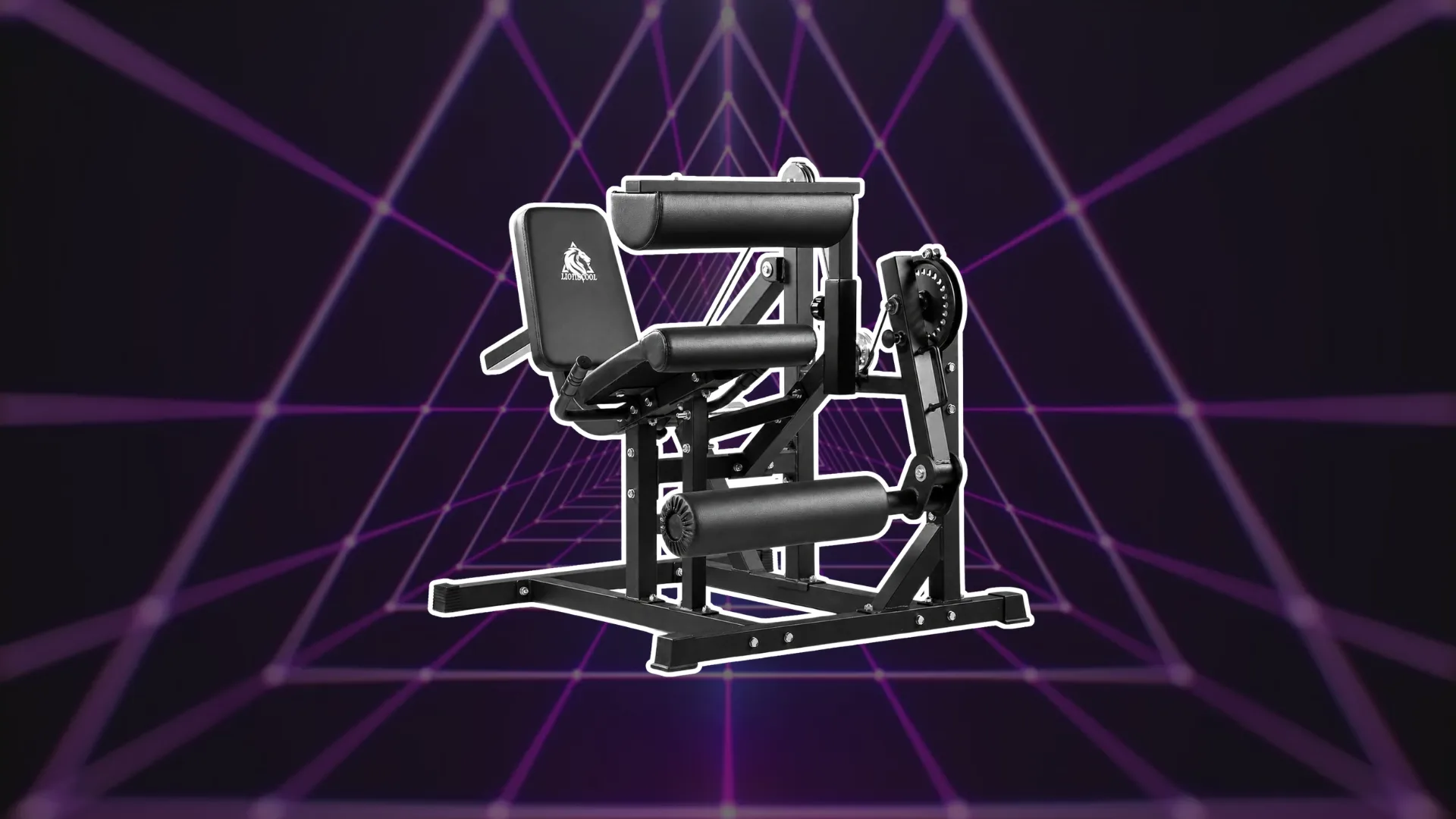
LionsCool Seated Curl Extension Machine Review
A rare, budget-friendly seated leg extension and curl machine with a consistent cam-pulley feel and one visible lever-arm flex.
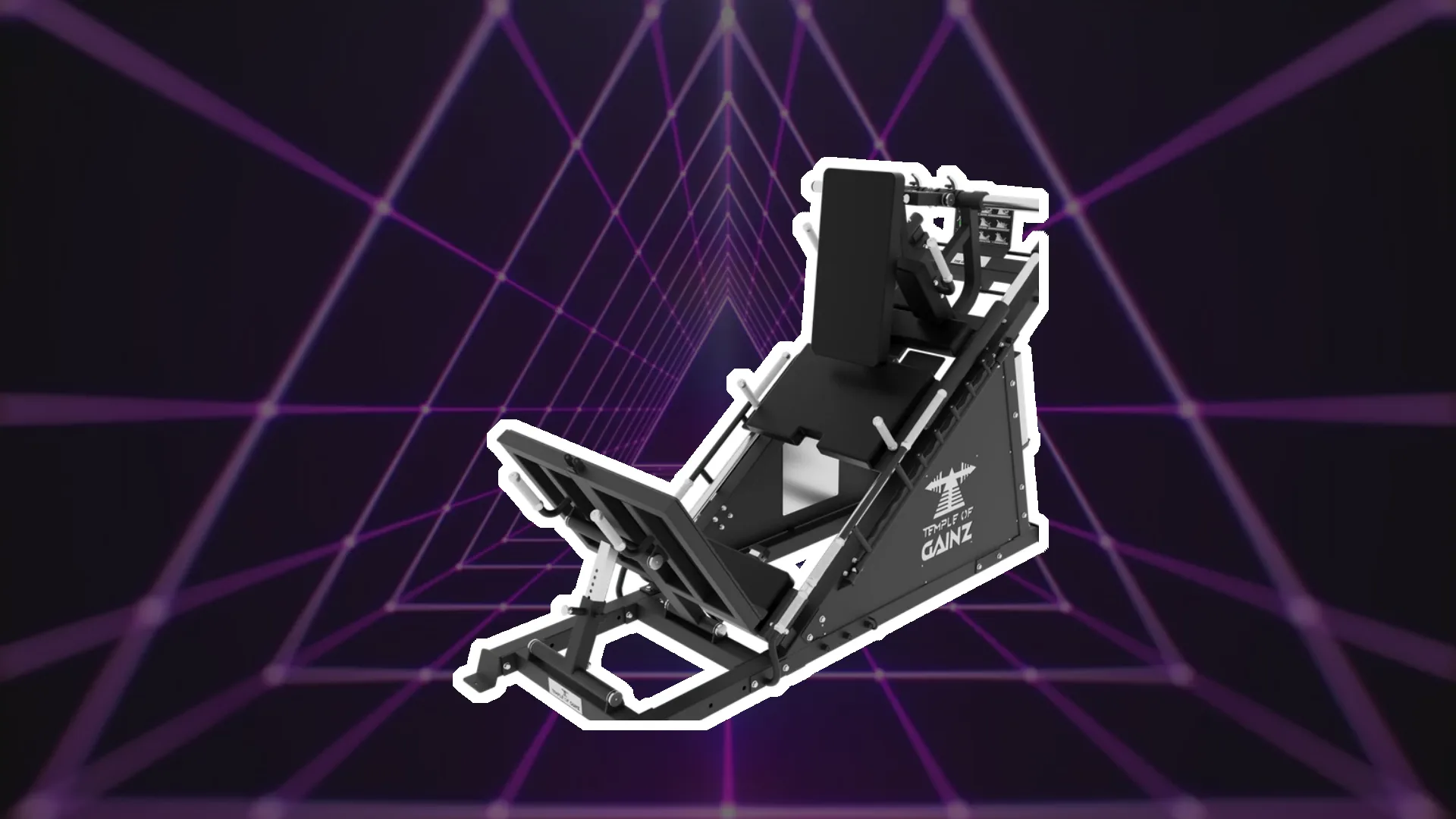
Temple of Gainz Quadsend Review
The $4,200 Quadsend is the best-built leg press hack squat combo for home gyms, period.
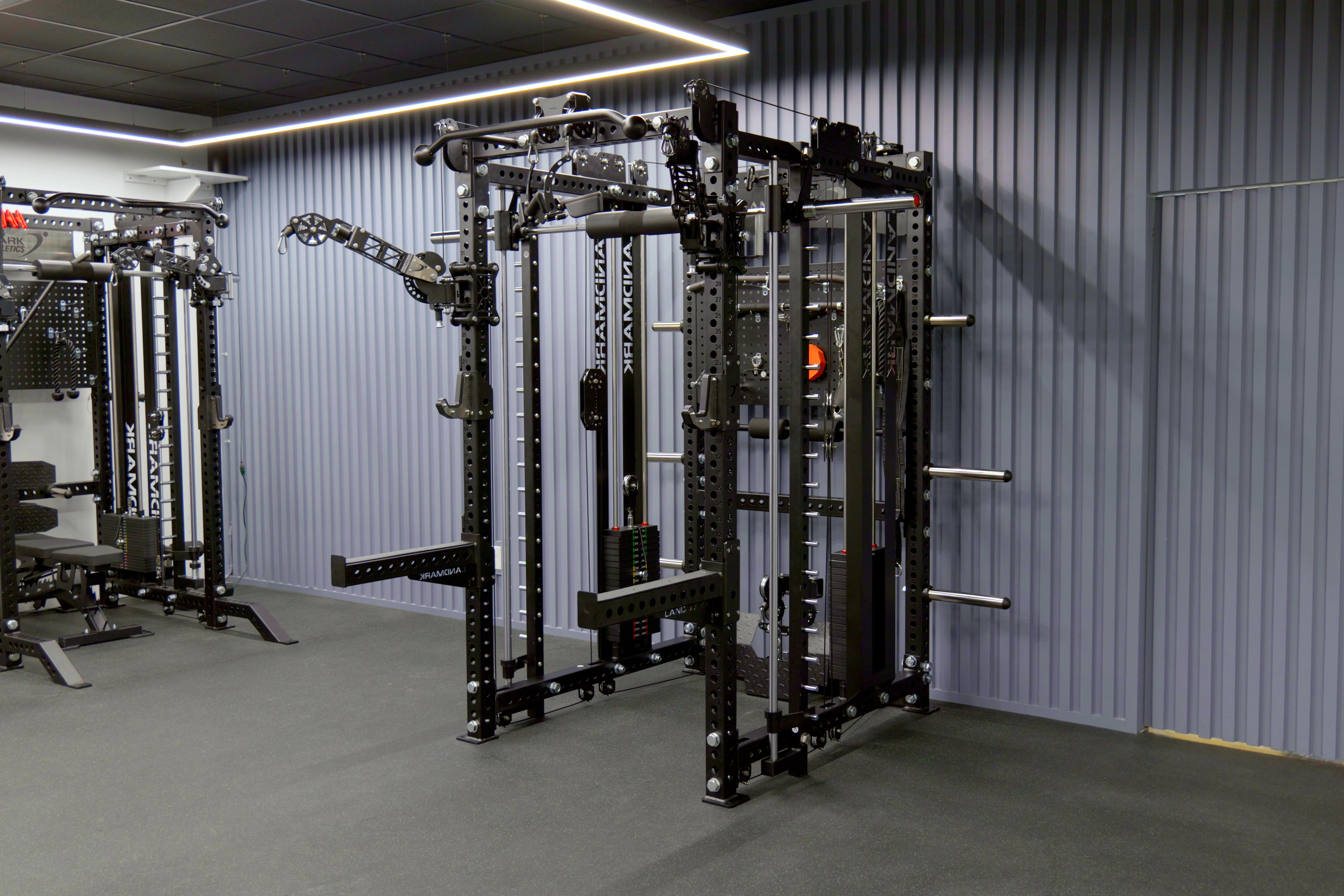
Landmark Athletics Everest All-In-One Trainer
The Everest is a complete, no-compromise all-in-one trainer built for lifters who want commercial-grade quality at home.