Mikolo Fitness x GMWD Taweret Leg Extension / Leg Curl Machine
Table of Contents
Taweret
// Disclosure: links use go.ironclinicgym.com — my custom affiliate tracking. I may earn a commission at no cost to you. This never influences my ratings.
GMWD Fitness and Mikolo Fitness teamed up on the Taweret, a dedicated leg extension and leg curl machine sitting at around $400. The standout feature is a cam and pulley system that keeps resistance genuinely consistent throughout the full range of motion. That means no dead spots at the top, no weight dropping off at lockout. Loaded over 200 pounds, the frame didn't move. The sundial-style arm adjustment gives you 25 positions on the upper end and 7 on the lower, which is more than I've seen on anything close to this price.
The cons are real but specific. The backpad post sits a couple millimeters loose in its tubing and wiggles when unloaded. Under actual weight it disappears, but it looks worse on camera than it feels in practice. The padding density is also a step below what you'd hope for at this price point. That said, this machine is solid where it counts, takes up reasonable space for what it delivers, and has plenty of capacity to grow with most home gym lifters for years.
Pros
- Cam and pulley system delivers true 1:1 resistance ratio, consistent throughout the full range of motion
- Oversized seat pad (23.5" deep x 20" wide) provides real stability for both extensions and curls
- Sundial arm adjustment offers 25 upper and 7 lower positions, more than most machines at this price
- Paint fit and finish arrived nearly perfect, no chips, scratches, or dings out of the box
- 400 lb rated capacity with a planted, stable frame that doesn't budge under heavy load
Cons
- Backpad post sits a few millimeters loose in its tubing, creating visible wobble when unloaded
- Folding latch for prone position requires a deliberate, firm push to fully engage, easy to miss mid-workout
- Padding density and vinyl quality fall short of what the $400 price point suggests
- Footprint requires 2 to 3 feet of clearance beyond the 49" depth for full leg extension and curl range
- Backrest is narrow and unremarkable compared to the generously sized seat pad
Introduction
Leg extension and leg curl machines have become a serious category in the home gym space. A few years ago your options were basically a cheap lever arm bolted to a bench attachment or spending close to a thousand dollars on something purpose-built. That gap has been closing fast, and one of the brands driving it is GMWD. They’ve made a name building leg-focused machines with engineered pulley systems instead of the basic leverage-only setups that dominate the budget end of the market.
For the Taweret, GMWD partnered with Mikolo Fitness, a well-known name in the home gym community, to bring a dedicated leg extension and curl machine to the $400 price range. That collaboration matters because it’s the first machine they’ve built together, and the result is something worth paying attention to if you’re in the market for a mid-range leg day machine. I used this thing daily for 90 days, on TikTok live streams and in my own training sessions, so this isn’t a quick-look review.
The core question with any machine at this price is what you’re giving up. The Taweret’s answer is more interesting than most.
First Look
The machine ships via FedEx, which means it gets handled roughly. Mikolo and GMWD do a reasonable job with packaging and in this case the machine arrived almost completely unscathed. No paint chipping, no scratches, no dings. The paint fit and finish was genuinely impressive for something in this category and at this price. That kind of clean delivery is not something you can take for granted with heavy fitness equipment shipped parcel.
Once you pull everything out, the first thing that stands out is the seat pad. It is big. I mean noticeably, surprisingly big. The seat is 23.5 inches deep and 20 inches wide, which gives you a stable platform whether you’re sitting upright for extensions or set up for curls. It immediately reminded me of what GMWD did with the LEO8, where the oversized seating surface was one of my favorite touches on that machine.
The backrest is a different story. It measures about 25.5 inches tall and maybe a foot wide, and it’s functional but not something you’d call impressive. The vinyl on the pads has a light texture to it, smooth enough that it won’t give you rug burn on the leg roller the way the LEO8’s more aggressive texture did on my lower legs. That ended up being a net positive in daily use. You still get grip but without the friction.
The aluminum pulley pops in red and looks good sitting in the frame. The overall machine doesn’t look stout at first glance, but the 400 lb capacity rating and the actual feel under load are more reassuring than the visual suggests.
Build Quality
The main frame is solid. Loaded up with over 200 pounds, this machine did not move. No flex in the lever arm, no creaking, nothing shifting. For a machine at this price, that kind of planted stability is not a given, and the Taweret delivers it.
The weak point is the backpad post. It slides into the main tubing to allow for fore-and-aft position adjustment, and on my unit the fit was noticeably loose. We’re talking a couple millimeters of clearance that shouldn’t be there. It wiggles side to side when there’s no weight on it and looks bad on camera. I checked every bolt five times and they were all torqued down properly. This appears to be either a quality control issue on my unit or an intentional design tolerance that’s just a bit too generous. If it’s the latter, GMWD needs to tighten that spec on a V2.
Here’s the important context though: once you sit down and apply pressure, the play disappears. The pad doesn’t move during actual sets. I never felt like it was going to break or fail. But seeing it float around between sets does not inspire confidence, and if you’re watching a video of someone using it you’re going to notice it and wonder. It’s a real issue, just not the catastrophic one it might look like.
The padding itself is adequate. It’s not the firmest I’ve used and not the softest. It held up fine over 90 days with no signs of degradation in the vinyl or the foam underneath. At $400 it’s in line with what the category typically offers, though some cheaper machines actually do better here. The size of the pad compensates to some degree because you’re well-supported even if the density isn’t exceptional.
Setup & Installation
Assembly took about an hour. The machine isn’t complicated mechanically and the process is straightforward if you’ve put together any fitness equipment before. It’s a cam and pulley system but you’re not doing any cable threading from scratch. Most of what you’re doing is bolting the frame sections together and attaching the arm assembly.
The assembled footprint is 31 inches wide and 49 inches deep. That sounds manageable, and it is for the machine itself. The catch is that the leg roller needs room to swing in front of the machine during use. For leg extensions and leg curls, you want at least 2 to 3 feet of clearance in front of that 49 inch depth. If your garage gym is tight, plan your placement carefully before you commit. The roller swings out forward, not to either side, so a narrow space can work as long as there’s enough depth in front.
Adjusting the machine is simple. A pop pin releases the backpad to fold flat for prone hamstring curls, which is standard on machines like this. You also get fore-and-aft adjustment on the backpad position to dial in your setup for different exercises. The arm position is controlled by what I’ve been calling the sundial, a circular adjustment mechanism with 25 positions on the upper end and 7 on the lower. That’s 32 total positions, and I genuinely haven’t seen a leg extension machine with that many options on the upper arm before. Getting your pivot point dialed in for your specific femur length makes a real difference in how the movement tracks.
Performance
The cam and pulley system is the reason to buy this machine over a cheaper alternative, and it absolutely delivers. A quick note on what that means if you haven’t used one before: a standard lever-arm leg extension relies purely on leverage, which means the resistance feels different at different points in the range of motion. You load weight onto the lever and as the geometry changes through the movement, the effective resistance drops significantly at the top of the extension or the bottom of the curl. You’re working through a curve instead of a consistent load.
The cam and pulley system on the Taweret addresses that by routing the resistance through a cable and shaped cam that adjusts the mechanical advantage to keep the load feeling consistent throughout the full range of motion. The ratio on this machine is 1:1, which I verified through my own testing. Load 100 pounds onto the lever arm and you’re feeling 100 pounds at your legs through the full movement. No dead spot at the top, no weight dropping off at lockout.
In practice this translates to a noticeably smoother, more controlled feel. The weight doesn’t jerk up or snap back down. You can slow the eccentric, push the concentric deliberately, and actually target hypertrophy the way the movement is supposed to allow. I was able to take my quads and hamstrings closer to true failure on this machine than I can with any lever-only design I’ve tested because the resistance stays honest.
The machine stays planted. The wide base and low center of gravity mean it doesn’t scoot or tip even at higher loads. Combined with the smooth pulley action, the overall feel is natural in a way that cheaper machines don’t quite achieve. The only caveat is the backpad wobble noted above, which you’ll feel between sets but not during them.
Versatility
The primary use case is leg extensions and prone hamstring curls, and both work well. Folding the backpad flat for prone curls is quick. The 18-degree angle of the flat surface locks your body into the pad nicely so your hamstrings are doing the work instead of your hips fighting the movement. Handles on both ends give you somewhere to grip and brace while prone.
Beyond that, the 32-position arm adjustment is where the versatility case gets made. Different body proportions need different lever arm positions to get the mechanical pivot point right, and with this much adjustment range the Taweret can fit a wide range of users without compromise. Taller lifters with longer femurs, shorter lifters, heavier lifters all have enough positions to find a comfortable and effective setup.
The 400 lb capacity is more than any realistic home gym user is going to need. That headroom means the machine isn’t going to cap out as you get stronger, which extends its useful life in your gym considerably.
One thing worth noting: some newer bench attachment style leg curl and extension setups can roll under a weight bench and require less dedicated floor space. If versatility in terms of footprint flexibility is what you’re after, those have an argument. But they trade stability and a dedicated setup for that convenience. The Taweret is always loaded and ready. You don’t reconfigure anything between uses.
Value
The Taweret sits at around $400. In the current market for standalone leg extension and curl machines, that puts it squarely in the middle tier. Below it you’ve got simpler lever-arm designs that come in cheaper and smaller, but they don’t have a cam-pulley system and the construction generally shows it. Above it is something like the GMWD LEO8, which is genuinely overbuilt, but also around three times the price. There’s not much sitting between those two points right now.
For $400, getting a true 1:1 cam-pulley system with a 400 lb capacity and 32 arm adjustment positions is a strong value proposition. Most machines at this price don’t bother with the engineering required to deliver consistent resistance throughout the range of motion. The Taweret does, and that’s the core reason to choose it over a cheaper alternative.
The cons around the backpad tolerance and padding density are real, but neither of them affects training performance. They’re finish-quality issues that you’d expect to see addressed in a V2 if Mikolo and GMWD continue the collaboration.
Who Is This For?
This machine is a good fit for the home gym lifter who has the basics covered and wants to add isolated leg work without spending LEO8 money. If you’re doing squats and deadlifts regularly and hitting a point where your quads and hamstrings need more direct volume, this is the tool for that. The cam-pulley system matters if you’ve used a lever-only machine before and found the inconsistent resistance frustrating.
It’s also well-suited for lifters who train hard enough that stability matters. Loaded up, this machine doesn’t move. If you’ve trained on budget machines that shift across the floor or flex under load, the Taweret’s planted feel will be a noticeable upgrade.
It is not the right pick if your gym space is genuinely tight. Budget at least 8 to 9 feet of depth to use this comfortably.
Final Verdict
After 90 days of daily use, the Taweret earns its price. The cam-pulley system does what it’s supposed to do, the machine is stable under heavy loads, and the adjustment range accommodates a wide range of body types. Those are the things that matter most in a leg extension and curl machine and the Taweret gets all three right.
The backpad play is the most glaring issue and it’s worth acknowledging plainly: it looks worse than it feels. Under load it goes away. It does not affect training. It does affect confidence, and at $400 that tolerance should be tighter.
The padding and vinyl are functional but not impressive. Passable for the price, below average for the mid-range category where some cheaper machines actually do better on the upholstery side.
Set those two things against what you’re getting: consistent resistance throughout the range of motion, 400 lb capacity, 32 adjustment positions, a planted frame, and a seat pad large enough to actually keep you stable. For $400, that’s a machine worth buying. If you’re not ready to spend LEO8 money but you want a leg day machine that actually trains your legs effectively, the Taweret is where I’d point you.
Keep Reading

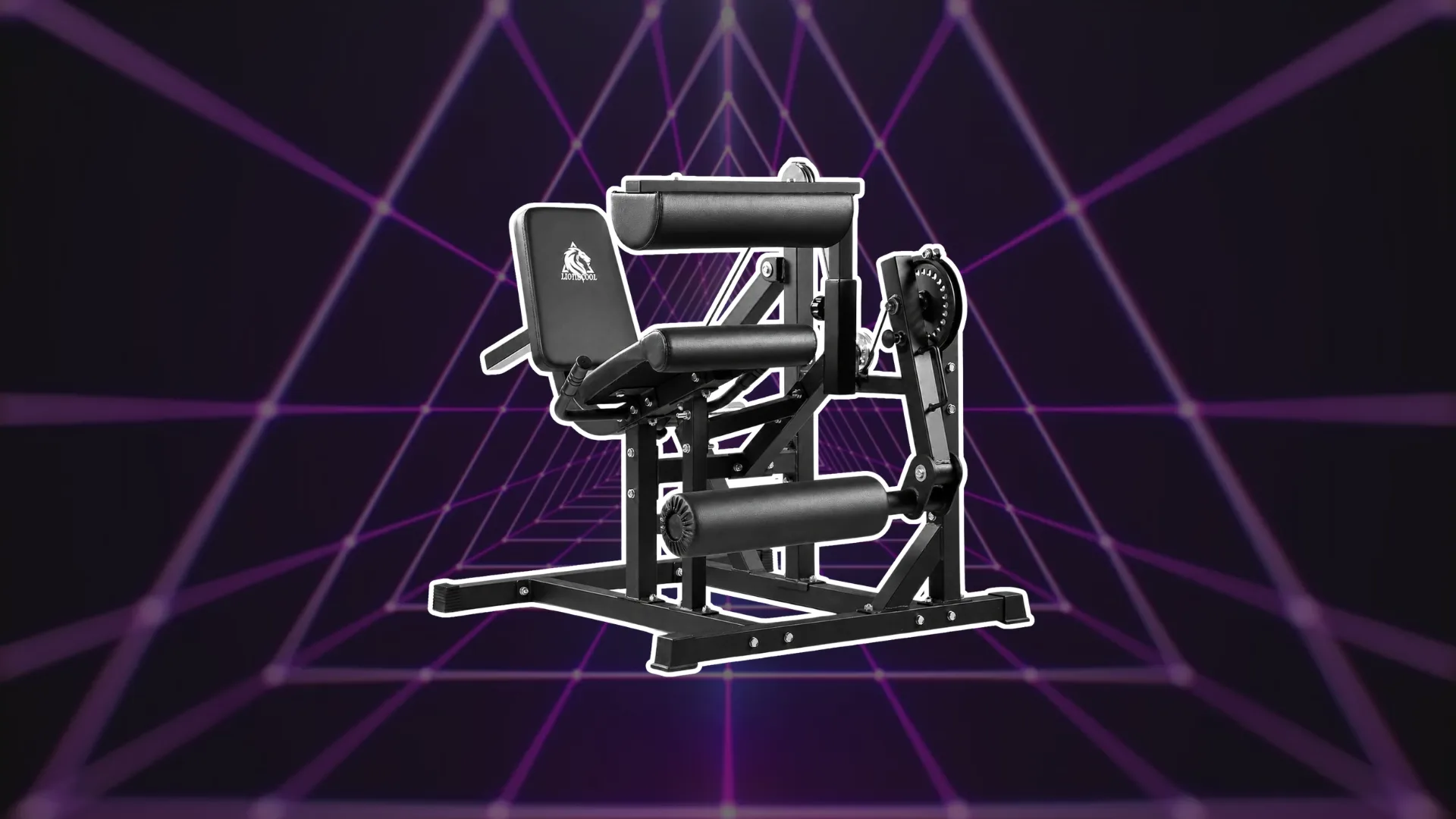
LionsCool Seated Curl Extension Machine Review
A rare, budget-friendly seated leg extension and curl machine with a consistent cam-pulley feel and one visible lever-arm flex.
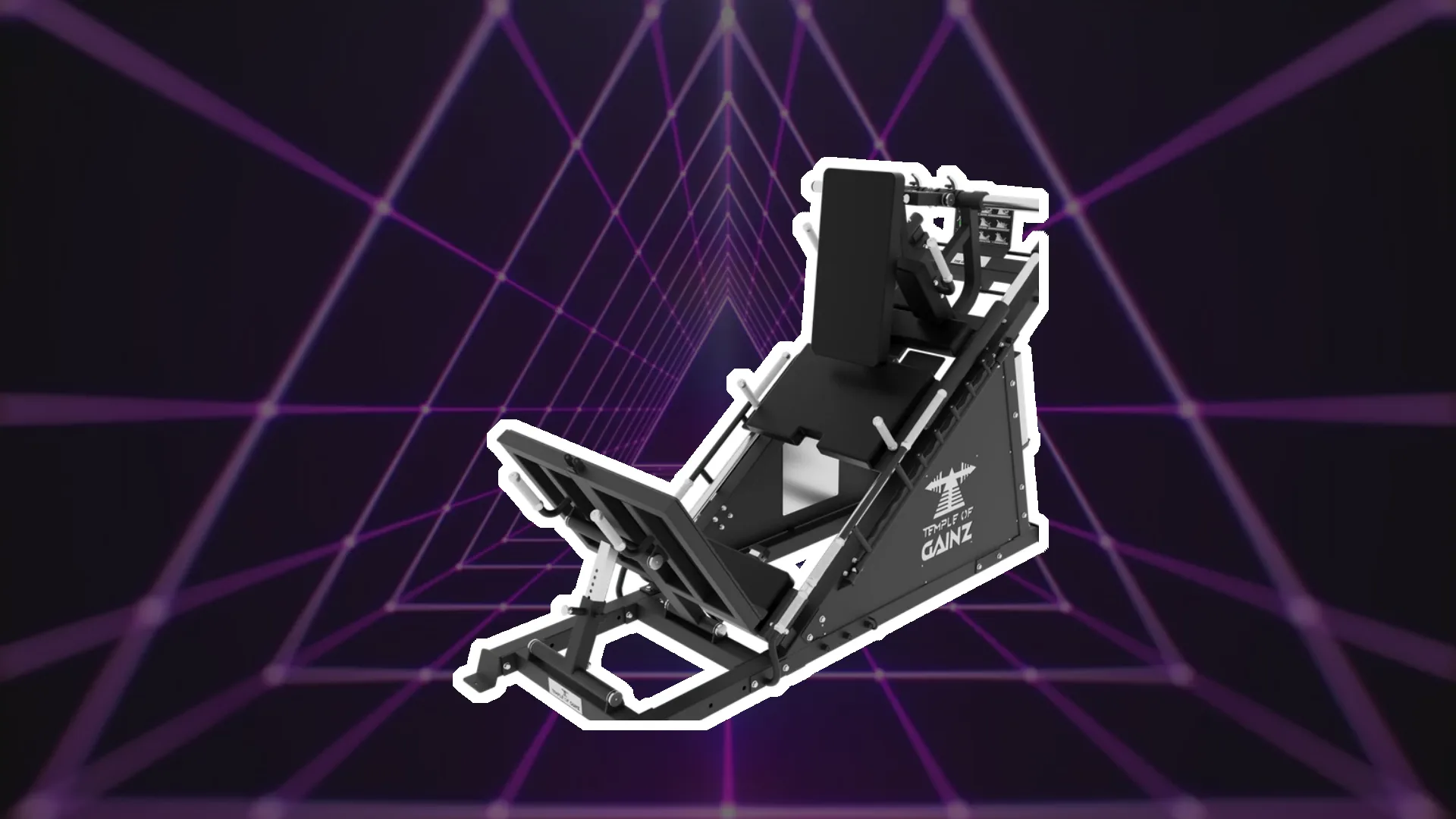
Temple of Gainz Quadsend Review
The $4,200 Quadsend is the best-built leg press hack squat combo for home gyms, period.
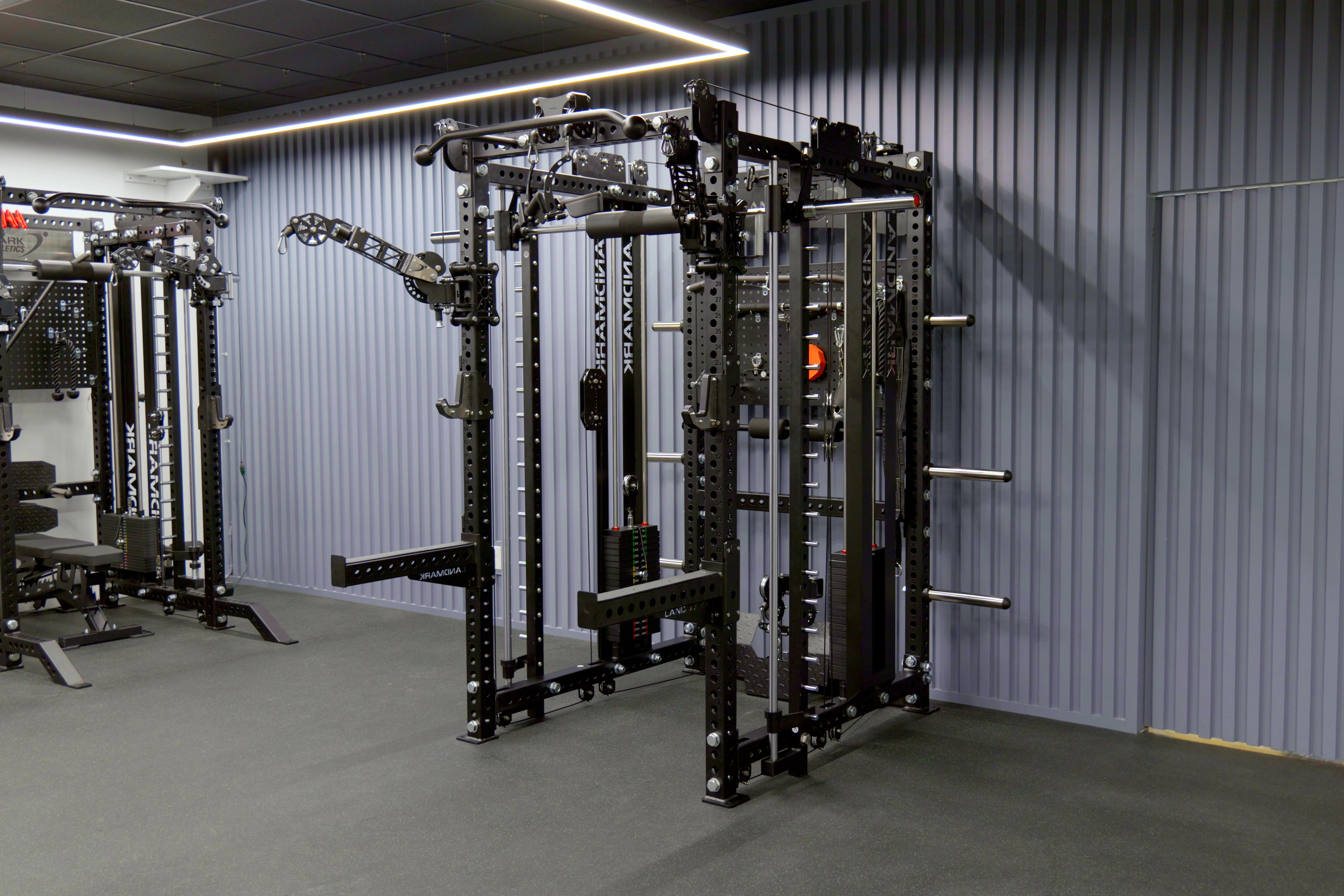
Landmark Athletics Everest All-In-One Trainer
The Everest is a complete, no-compromise all-in-one trainer built for lifters who want commercial-grade quality at home.